Product FAQ's
1. Which materials can be threaded using HSS Threading Taps?
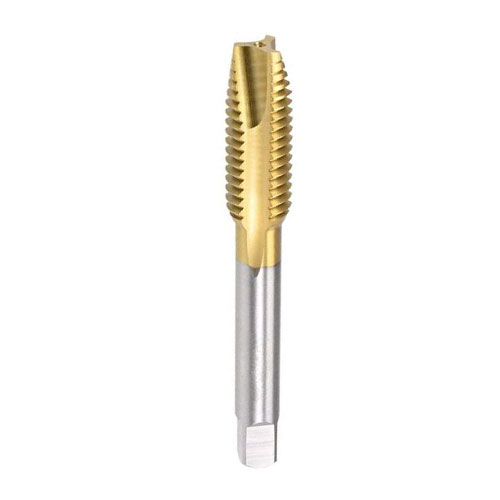
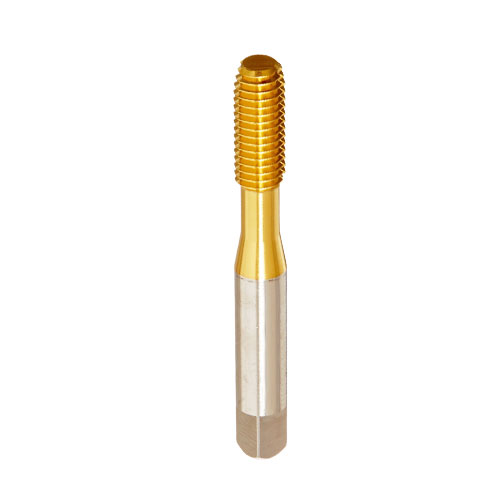
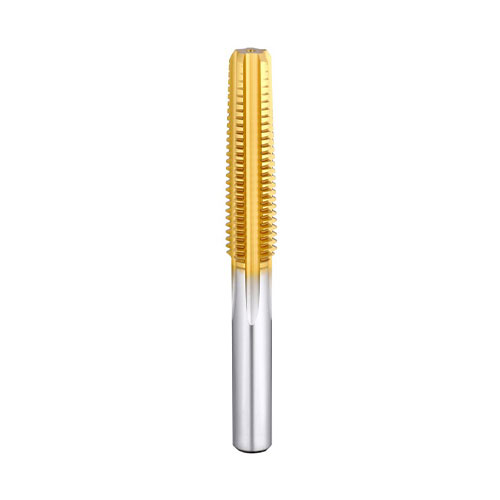
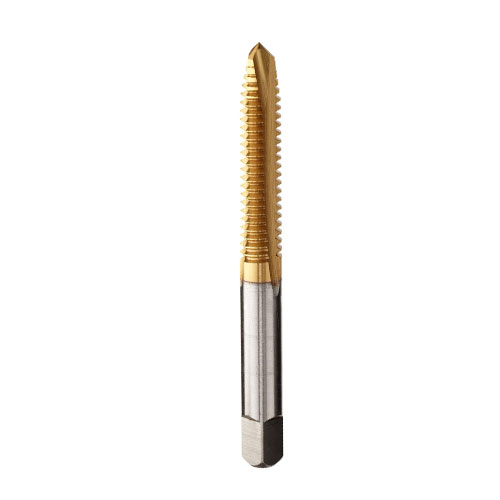
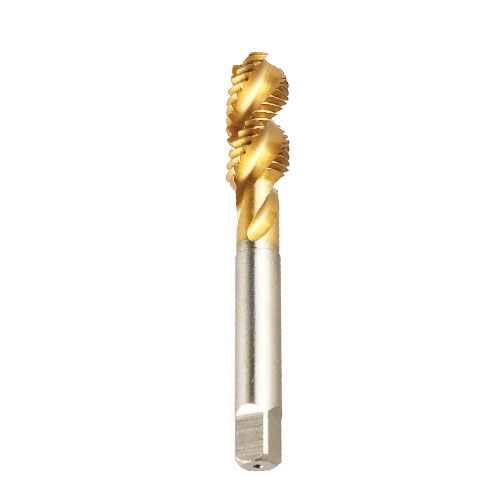
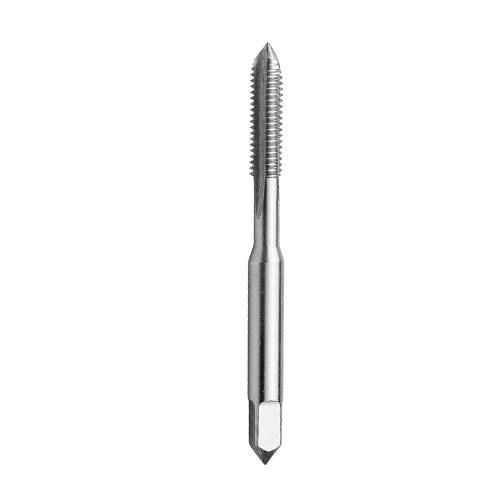
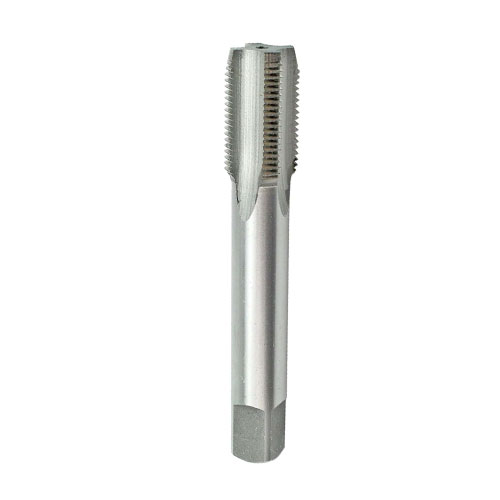
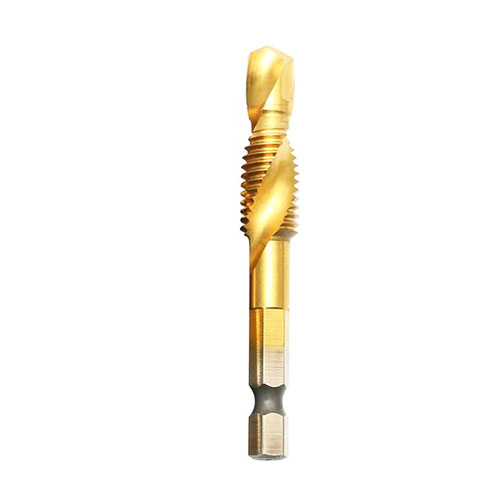
DIC is a HSS Threading Taps manufacturer offering tools suitable for steel, stainless steel, cast iron, and non-ferrous metals, where high-speed steel provides excellent heat resistance and toughness, maintains cutting edge stability under load, and ensures export-quality performance for international industrial needs.
2. What size range is available for HSS Threading Taps?
HSS threading taps are available in a size range from M2 to M48, with custom sizes also available to meet specific machining, production, and application requirements, ensuring flexibility, high precision, consistent performance, and suitability for a wide range of industrial threading operations.
3. What is the typical length range of HSS Threading Taps?
The length of HSS Threading Taps varies based on application needs, with different options for thread depth and hole type. Shorter taps provide better rigidity, while longer taps are used for deep threading. The right length depends on the machining process, material, and required thread depth.
4. Which thread types are supported by HSS Threading Taps?
DIC Tools provide HSS Threading Taps that support BSW, BSF, NPS, BSPT, UNC, and UNF thread types, covering both metric and imperial systems. This wide range enables use in international projects and enhances overall application versatility.
5. What is the difference between M2 and M35 HSS taps?
M2 HSS taps are standard high-speed steel tools designed for general-purpose threading, while M35 cobalt-containing taps provide enhanced heat resistance and durability for harder materials, making material selection critical for optimizing tool life and machining performance.
6. Where are UNC and UNF thread taps commonly used?
UNC and UNF thread taps are widely used in mechanical and engineering assemblies, where UNC provides coarse threads for stronger engagement and UNF offers fine threads for better load distribution and vibration resistance, with selection based on application requirements within the imperial threading system.
7. How does tap length affect threading performance?
Tap length plays a key role in rigidity and reach, where shorter taps reduce deflection and improve accuracy, while longer taps enable deeper threading in blind or through holes, and selecting the proper length ensures optimal results, extended tool life, and consistent thread quality in industrial applications.
8. What is the load capacity of HSS Threading Taps?
Dedicated Impex Co. is a HSS Threading Taps manufacturer designing taps to withstand high torsional loads, where strong HSS material prevents breakage, ensures stable cutting performance, improves operational safety, and delivers reliable export-quality products for global industrial applications.
9. Can HSS Threading Taps be customized?
HSS Threading Taps can be customized in size and geometry to suit specific applications, supporting unique machining and thread requirements while improving operational efficiency, enhancing threading accuracy, reducing wear, and extending overall tool life.
10. What makes HSS Threading Taps reliable for export markets?
Dedicated Impex is a HSS Threading Taps manufacturer ensuring consistent quality, standardized packaging, and compliance with international specifications, supported by reliable logistics and export systems that build trust and ensure dependable global supply.