Product FAQ's
1. What materials are used for forming rolls?
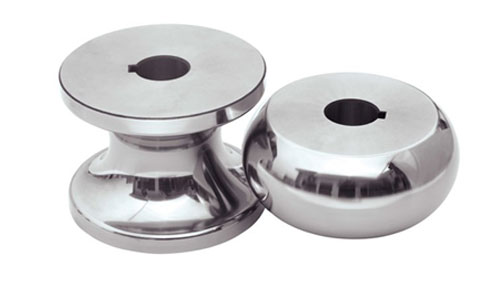
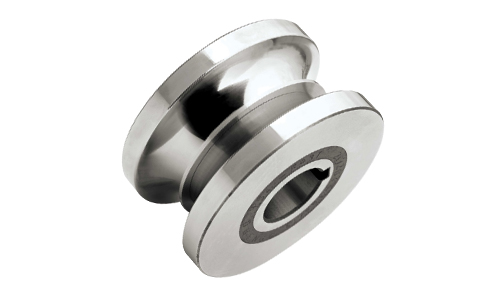
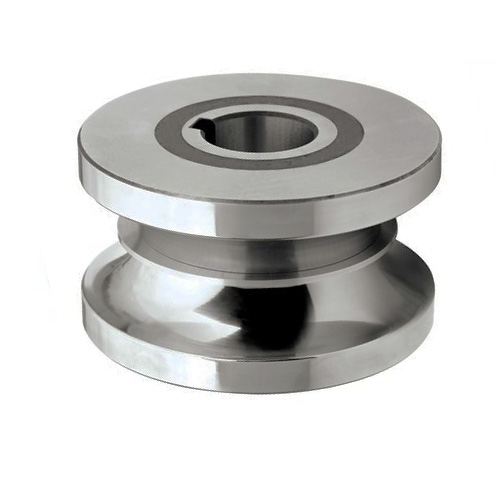
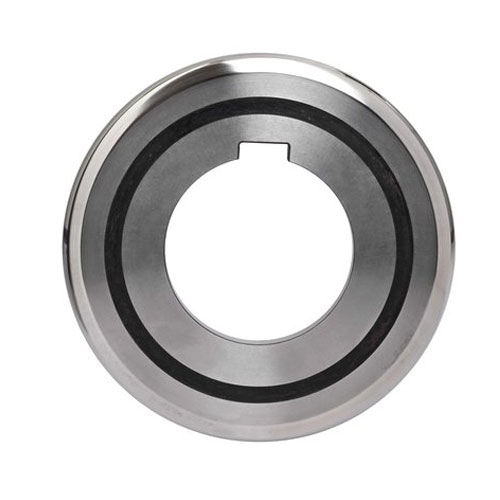
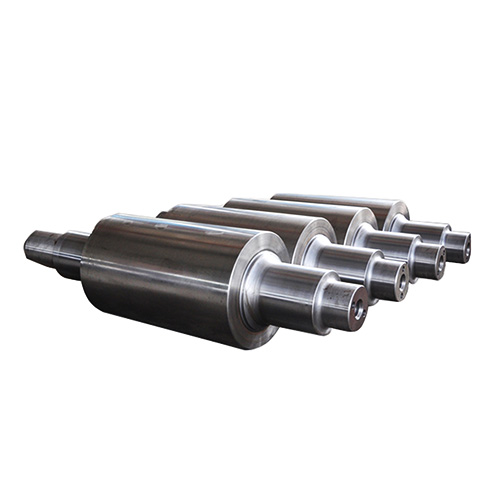
Forming rolls are manufactured from D2, D3 tool steel, EN31, or H13 steel based on application needs. These materials provide high wear resistance, toughness, dimensional stability, and long service life under continuous rolling and heavy forming loads.
2. Why is D2 or D3 tool steel preferred for forming rolls?
D2 and D3 tool steels offer excellent abrasion resistance, high hardness retention, and superior edge stability. These properties make them ideal for forming rolls used in tube mills and roll forming machines operating under high pressure and repetitive load cycles.
3. How does hardness affect forming roll performance?
Proper hardness improves wear resistance, dimensional accuracy, and surface durability of forming rolls. It minimizes profile deformation and extends service life, ensuring consistent forming results, reduced downtime, and stable production performance across long manufacturing cycles.
4. Can forming rolls be produced in custom diameters?
Yes, forming rolls can be manufactured in custom diameters within the specified range. Custom sizing ensures precise compatibility with specific roll forming machines, tube mill setups, and unique production requirements while maintaining accuracy and consistent forming performance.
5. What heat treatment process is used for forming rolls?
Forming rolls undergo vacuum heat treatment followed by double tempering. This controlled process improves hardness uniformity, reduces internal stresses, enhances wear resistance, and ensures dimensional stability during prolonged roll forming and high-speed production operations.
6. What quality checks are performed on forming rolls?
Forming rolls undergo dimensional inspection, hardness testing, concentricity measurement, surface finish verification, and visual checks. These quality controls ensure compliance with specifications and reliable performance in tube mill and roll forming machines.
7. Can forming rolls handle high-speed production?
Yes, forming rolls are designed for high-speed continuous production. Their hardened structure, precise concentricity, and polished finish ensure stable performance, minimal wear, and consistent output even under demanding production speeds and long operating hours.
8. Can forming rolls be supplied in bulk quantities?
Yes, DIC Tools supplies forming rolls in bulk quantities to support high-volume production needs. Bulk supply ensures consistent material quality, uniform hardness, and dimensional accuracy across all rolls while enabling smooth planning for long-term tube mill and roll forming operations.
9. What is the benefit of double tempering in forming rolls?
Double tempering relieves residual stresses generated during hardening and improves toughness. This process enhances resistance to cracking and distortion, ensuring forming rolls maintain shape accuracy and reliable performance during continuous rolling and repetitive forming cycles.
10. In which countries do you export forming rolls?
Dedicated Impex exports forming rolls to United States, Canada, Mexico, Germany, Italy, UK, France, Spain, Poland, UAE, Saudi Arabia, Qatar, Oman, South Africa, Egypt, Brazil, Chile, Thailand, Indonesia, Australia and other countries supporting global tube mill and roll forming industries with consistent quality and reliable supply.