Product FAQ's
1. What are Binding Stitching Knives used for in industrial applications?
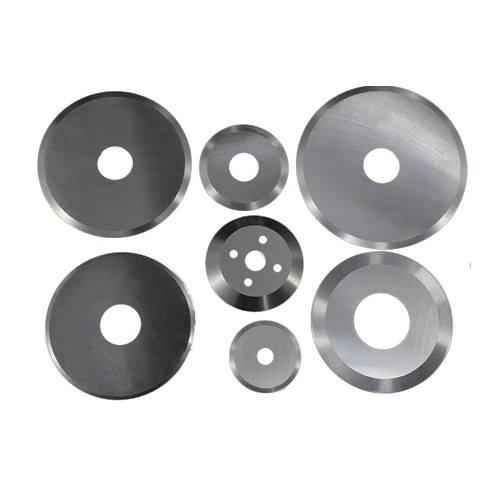
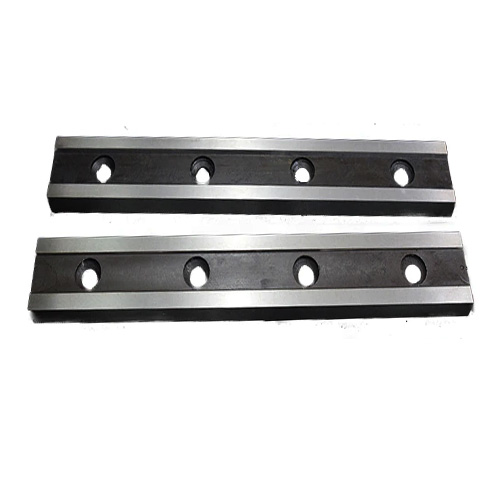
Binding Stitching Knives are used in printing, paper converting, packaging, graphic, and allied industries for accurate cutting, trimming, and stitching of paper and board materials. They deliver clean edges, proper alignment, smooth operation, and consistent performance during high-speed binding and finishing processes.
2. What materials are used to manufacture Binding Stitching Knives?
Binding Stitching Knives are manufactured using high carbon tool steel, alloy tool steel, or high-speed steel. These materials provide excellent hardness, wear resistance, edge retention, and structural strength, ensuring reliable cutting performance and long service life in continuous industrial stitching and binding applications.
3. What steel grades are commonly available for these knives?
Common steel standards include AISI D2, SKD11, EN31, and HSS M2. Each grade is selected based on application requirements such as cutting load, wear resistance, heat tolerance, and expected service life in demanding industrial environments.
4. Why is hardness important in stitching knives?
Hardness determines the knives ability to maintain a sharp edge while resisting wear and deformation. Proper hardness ensures longer service life, consistent cutting quality, reduced maintenance frequency, and reliable operation during continuous production in printing and paper converting industries.
5. What edge types are available in Binding Stitching Knives?
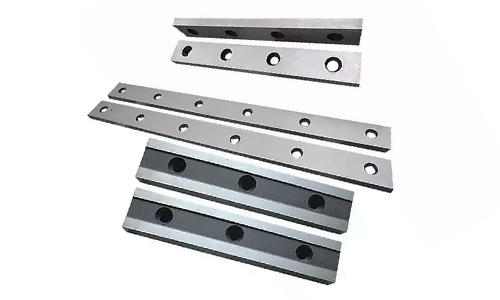
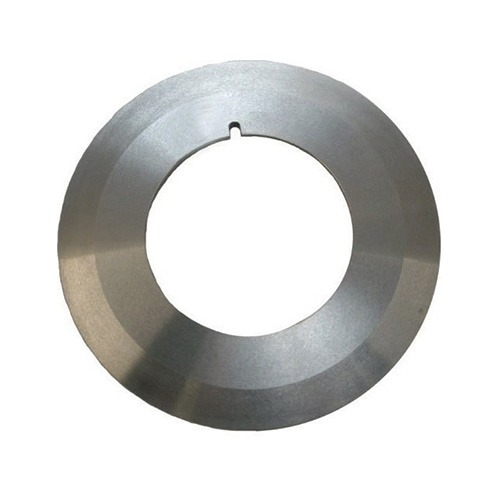
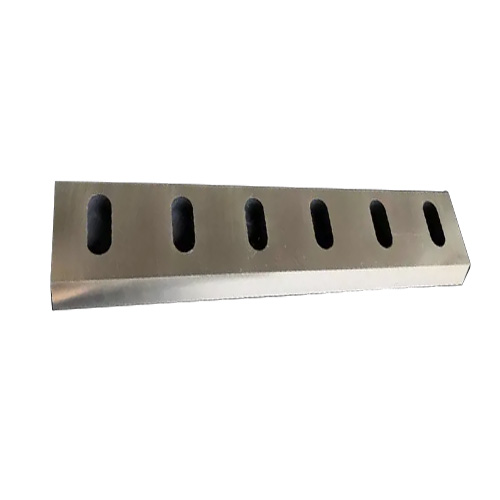
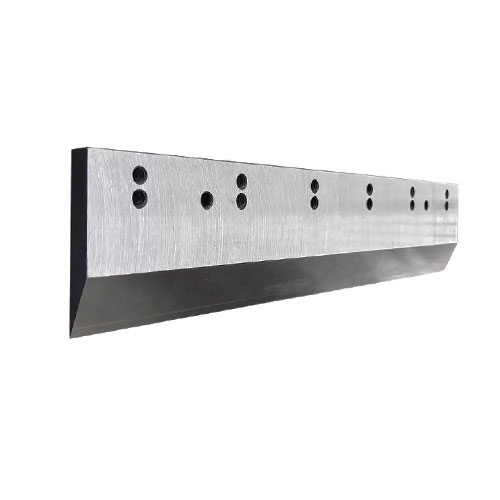
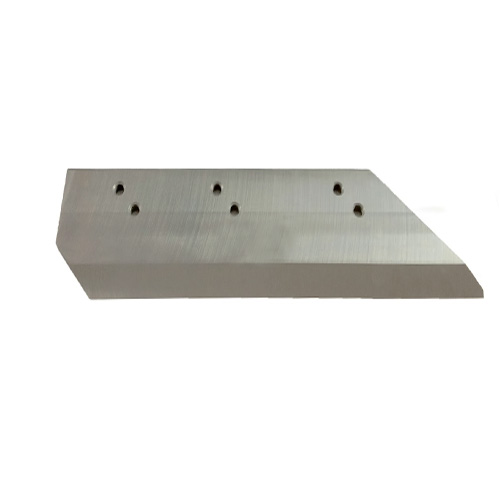
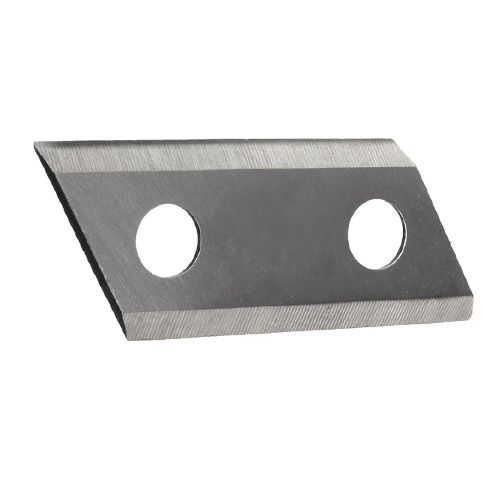
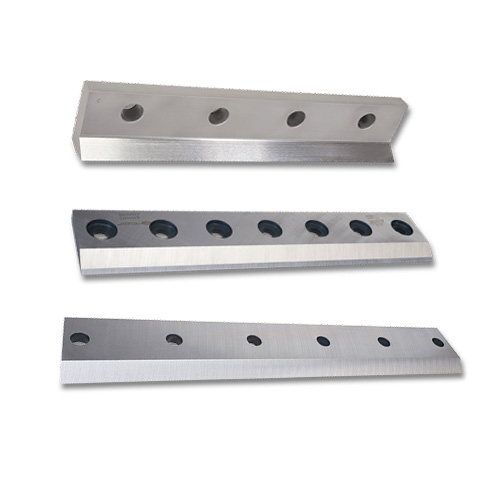
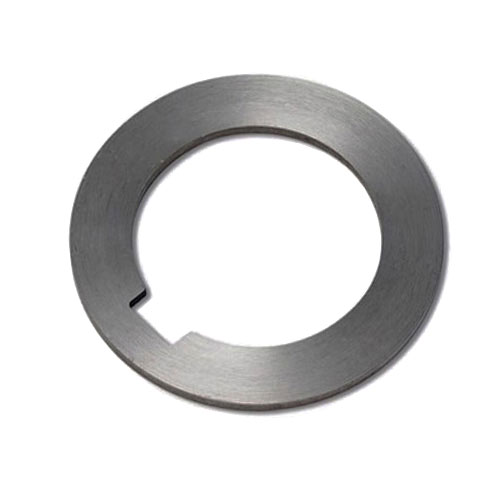
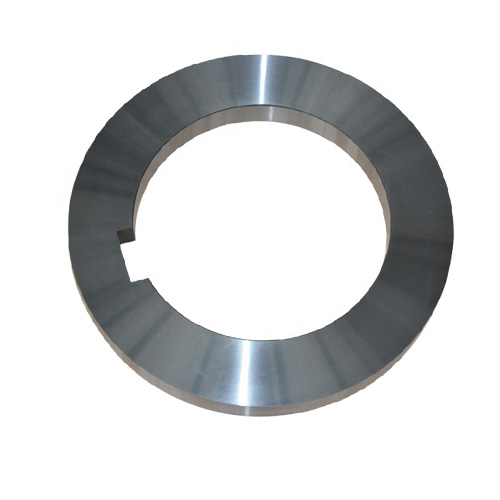
These knives are available with straight edges, angled edges, or custom profiles. Different edge configurations are designed to suit specific cutting and stitching requirements, ensuring accurate penetration, clean cuts, and smooth processing of various paper and board materials.
6. What finish is provided on Binding Stitching Knives?
Binding Stitching Knives are available with precision ground or mirror-polished finishes. These finishes reduce friction, improve cutting smoothness, enhance edge life, and ensure consistent cutting quality during stitching, binding, and paper processing operations in industrial applications.
7. Why is a polished finish important for these knives?
A polished finish minimizes paper drag and reduces wear on Binding Stitching Knives, ensuring smooth cutting action. It helps maintain consistent output quality, improves blade movement, and lowers cutting resistance, resulting in efficient operation and reliable performance during continuous stitching and binding processes.
8. What export regions do you serve?
DIC exports Binding Stitching Knives to Asia, Europe, the Middle East, Africa, and the Americas. Supported by reliable global logistics partners, the company ensures timely delivery, full export compliance, and smooth supply chain management to effectively serve worldwide customer networks.
9. Can these knives be supplied as per sample?
Yes, Binding Stitching Knives can be manufactured as per provided samples, ensuring accurate replication of dimensions, edge geometry, and performance characteristics. This guarantees reliable replacement, proper fitment, and consistent cutting performance in specialized stitching and binding applications.
10. Why choose you as a long-term supplier?
DIC Tools stands out as a trusted Binding Stitching Knives supplier and exporter, offering consistent quality, customization options, and global support. Strong manufacturing expertise ensures reliable performance, while customer-focused service builds lasting trust, making DIC a dependable long-term industrial partner.