Product FAQ's
1. Why are 4 flute brazed carbide chamfering cutters preferred for industrial machining?
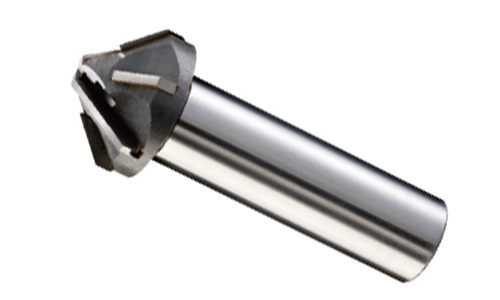
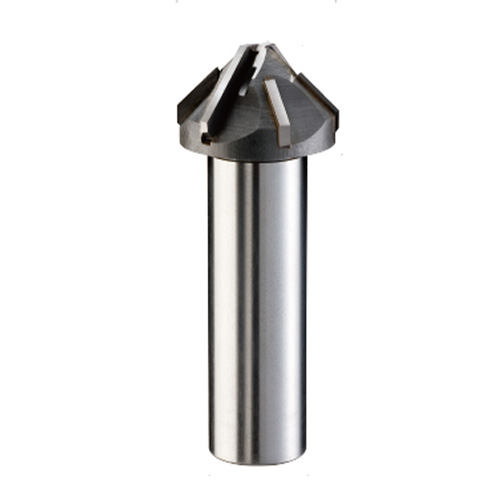
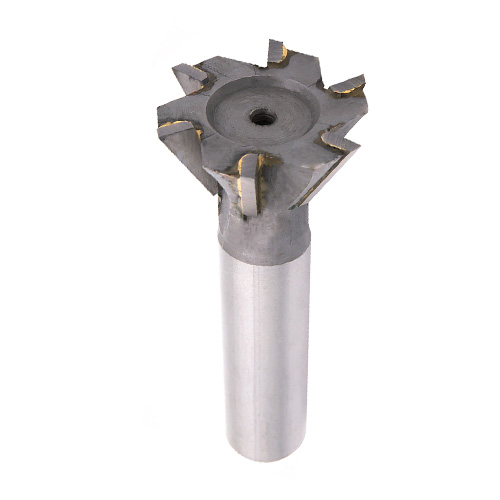
4 Flute Brazed Carbide Chamfering Cutters offer higher stability, improved surface finish, and balanced cutting action. Their durable carbide cutting edges maintain sharpness longer, enabling reliable chamfering, deburring, and countersinking operations commonly required in automotive, engineering, and heavy industrial machining applications.
2. How do brazed carbide 4 flute chamfering cutters improve hole finishing quality?
These cutters create smooth beveled edges around drilled holes while removing burrs and sharp edges. The four cutting edges ensure even material removal, producing clean chamfers that improve assembly alignment, fastener seating, and overall dimensional accuracy of machined components.
3. What industries commonly use 4 flute brazed carbide chamfering cutters?
These chamfering cutters are widely used in automotive manufacturing, aerospace component machining, heavy engineering, machine tool production, and general industrial fabrication, where they create precise chamfers, remove burrs from drilled holes, improve hole edge finishing, and ensure better assembly accuracy for machined metal components.
4. Why are brazed carbide hole chamfering cutters 4 flutes essential in precision engineering?
Brazed Carbide Hole Chamfering Cutters 4 Flutes help create accurate beveled edges around drilled holes, remove burrs and sharp edges, and improve assembly quality of machined components, while delivering consistent chamfer geometry, smooth edge finishing, and reliable cutting performance for precision engineering and high-quality industrial manufacturing processes.
5. What factors affect the performance of Brazed Carbide Hole Chamfering Cutters 4 Flutes?
The performance of Brazed Carbide Hole Chamfering Cutters 4 Flutes depends on factors such as cutting speed, feed rate, workpiece material, machine rigidity, tool coating, and proper coolant usage, all of which influence cutting stability, tool life, chamfer accuracy, and overall machining efficiency during chamfering operations.
6. What standards are followed for manufacturing these cutters?
Brazed Carbide Hole Chamfering Cutters 4 Flutes are generally manufactured following international standards such as ISO, DIN, and ANSI. These standards ensure dimensional accuracy, reliable performance, and compatibility with various industrial machining setups, helping manufacturers maintain consistent quality across different machining environments.
7. Are custom chamfering cutters available?
Yes, Dedicated Impex Co. provides custom Brazed Carbide Hole Chamfering Cutters 4 Flutes according to specific machining requirements, including special diameters, lengths, coating options, and chamfer angles, ensuring optimal cutting performance, precise edge finishing, and reliable machining results for specialized industrial applications and precision engineering components.
8. How do Brazed Carbide Hole Chamfering Cutters 4 Flutes improve machining productivity?
Brazed Carbide Hole Chamfering Cutters 4 Flutes improve machining productivity by delivering consistent chamfering performance, reduced tool wear, smoother edge finishing, and stable cutting action, helping machinists achieve accurate chamfer geometry, efficient deburring, and reliable machining results in precision industrial metal cutting operations.
9. What factors should be considered when selecting Brazed Carbide Hole Chamfering Cutters 4 Flutes?
Important factors include cutting diameter, chamfer angle, carbide grade, coating type, workpiece material, and machine compatibility, as selecting the correct Brazed Carbide Hole Chamfering Cutters 4 Flutes helps achieve smooth chamfer edges, longer tool life, stable cutting performance, and efficient machining productivity.
10. Is bulk order supply available for Brazed Carbide Hole Chamfering Cutters 4 Flutes?
DIC Tools offers bulk supply of Brazed Carbide Hole Chamfering Cutters 4 Flutes for industrial buyers, distributors, and machining workshops, ensuring consistent product availability, uniform tool quality, reliable chamfering performance, and efficient procurement support for large-scale machining operations and continuous production requirements.