Product FAQ's
1. What are Go & No-Go Gauges used for?
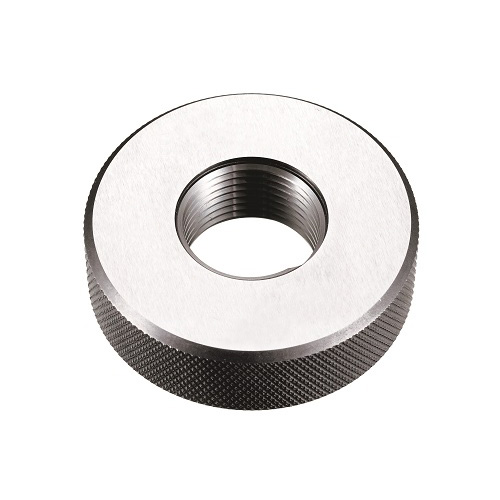
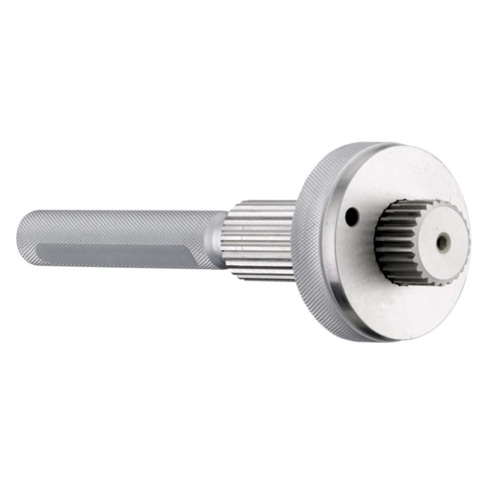
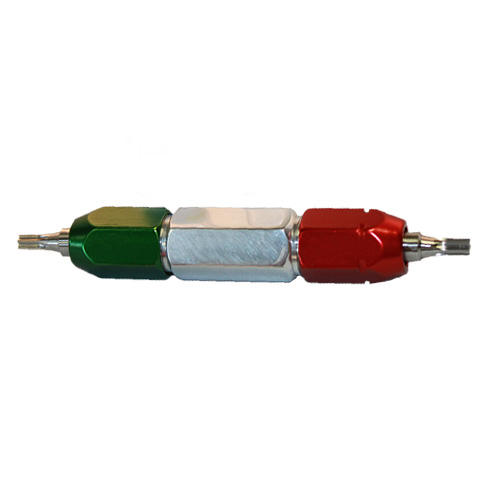
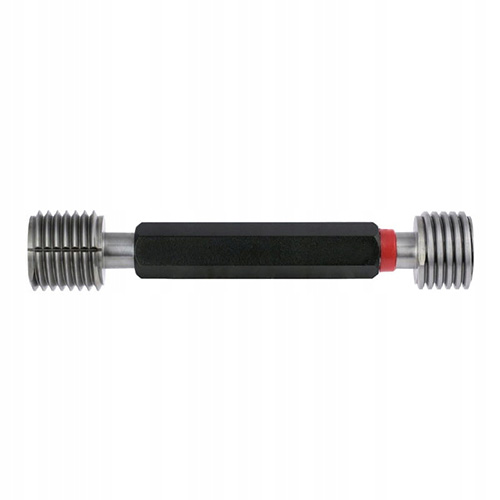
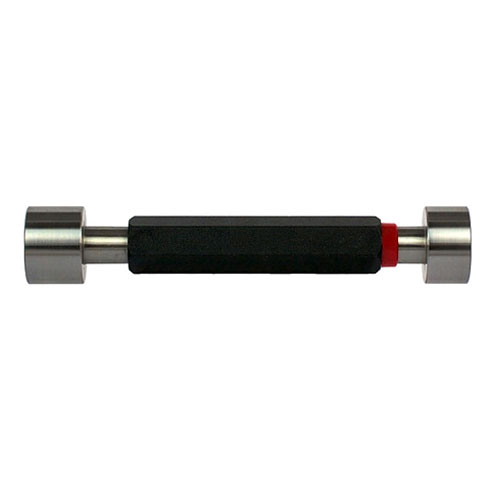
Go & No-Go Gauges are used for fast and reliable dimensional inspection to determine whether a manufactured component falls within specified tolerance limits. They help manufacturers instantly accept or reject parts without complex measurement, making them ideal for high-volume production, in-process inspection, and final quality control applications.
2. How does a Go & No-Go Gauge work?
A Go & No-Go Gauge works on the principle of limit gauging. The “Go” side must enter or fit the component, confirming maximum material condition compliance, while the “No-Go” side must not enter, ensuring minimum material condition is not exceeded. This simple pass-fail method ensures quick, error-free inspection.
3. Do Go & No-Go Gauges require calibration?
Yes, periodic calibration is strongly recommended to maintain dimensional accuracy, reliability, and traceability. Calibration ensures the gauge remains within permissible tolerance limits and complies with quality management systems such as ISO, helping manufacturers maintain consistent inspection performance and audit readiness.
4. What standards do Go & No-Go Gauges follow?
At Dedicated Impex, Go & No-Go Gauges are manufactured strictly in accordance with recognized international standards such as IS, DIN, ISO, and ANSI. This compliance ensures global acceptance, accurate tolerance verification, seamless integration with certified quality systems, and suitability for export-oriented and multinational manufacturing supply chains.
5. What are the advantages of using Go & No-Go Gauges?
The main advantages of Go & No-Go Gauges include rapid inspection, reduced inspection cost, simple operation, minimal operator training, elimination of reading errors, and consistent quality control. They significantly improve inspection efficiency and productivity in high-volume manufacturing environments.
6. Can Go & No-Go Gauges be customized?
Yes, at Dedicated Impex, Go & No-Go Gauges can be fully customized to match specific customer and application requirements. Customization options include gauge size, tolerance class, applicable standards, laser engraving, branding, packaging, and special-purpose designs, making them ideal for OEM, private label, and industry-specific inspection applications.
7. How should Go & No-Go Gauges be stored to maintain accuracy?
To maintain accuracy and service life, Go & No-Go Gauges should be stored in clean, dry conditions using protective cases. At DIC Tools, we recommend applying light rust preventive oil and avoiding direct contact with other metal tools.
8. Do Go & No-Go Gauges reduce inspection time in mass production?
Yes, Go & No-Go Gauges significantly reduce inspection time in mass production by allowing instant pass-or-fail decisions. This eliminates complex measurements, minimizes operator dependency, improves inspection speed, and supports higher productivity with consistent quality control results.